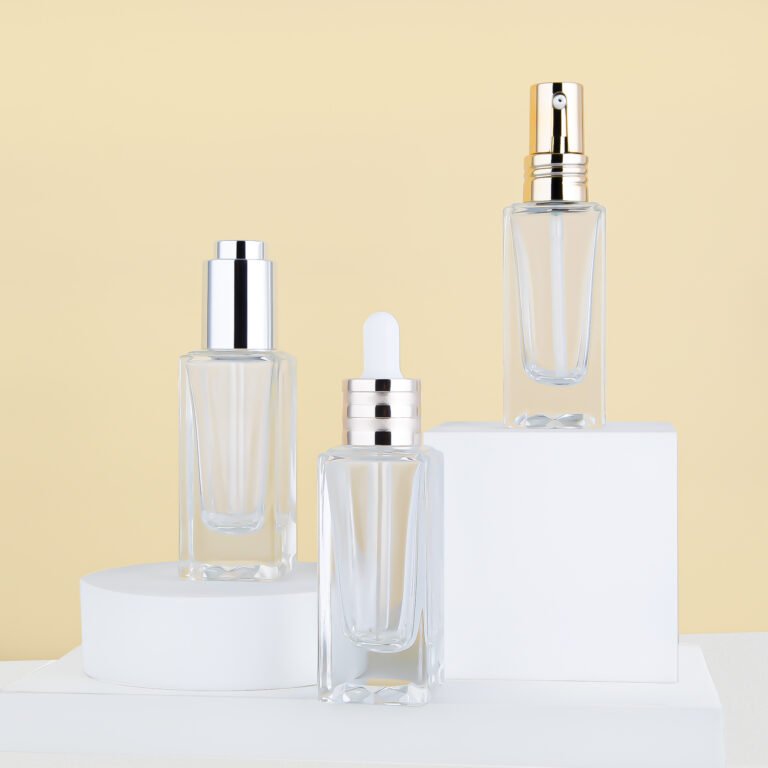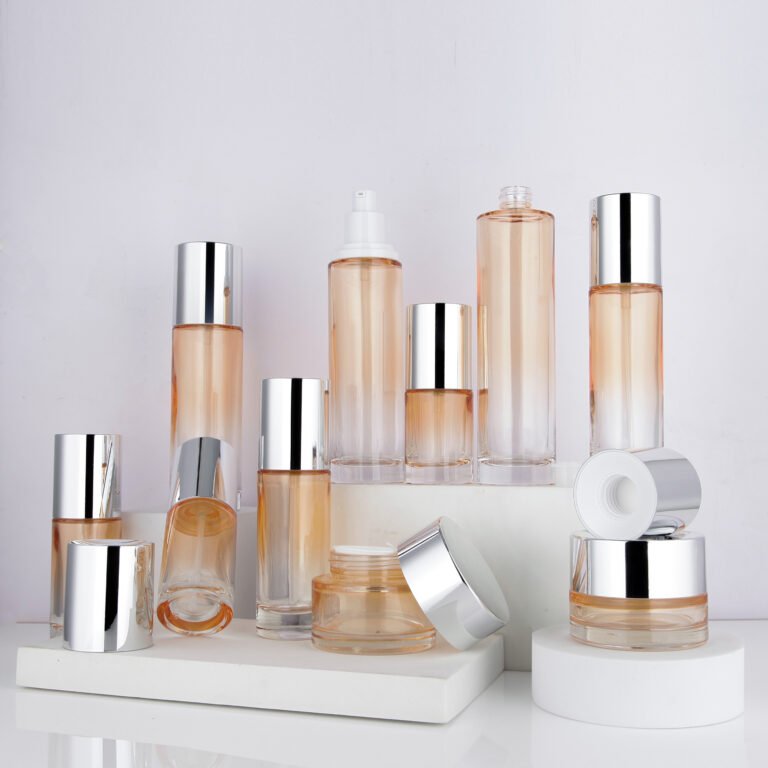
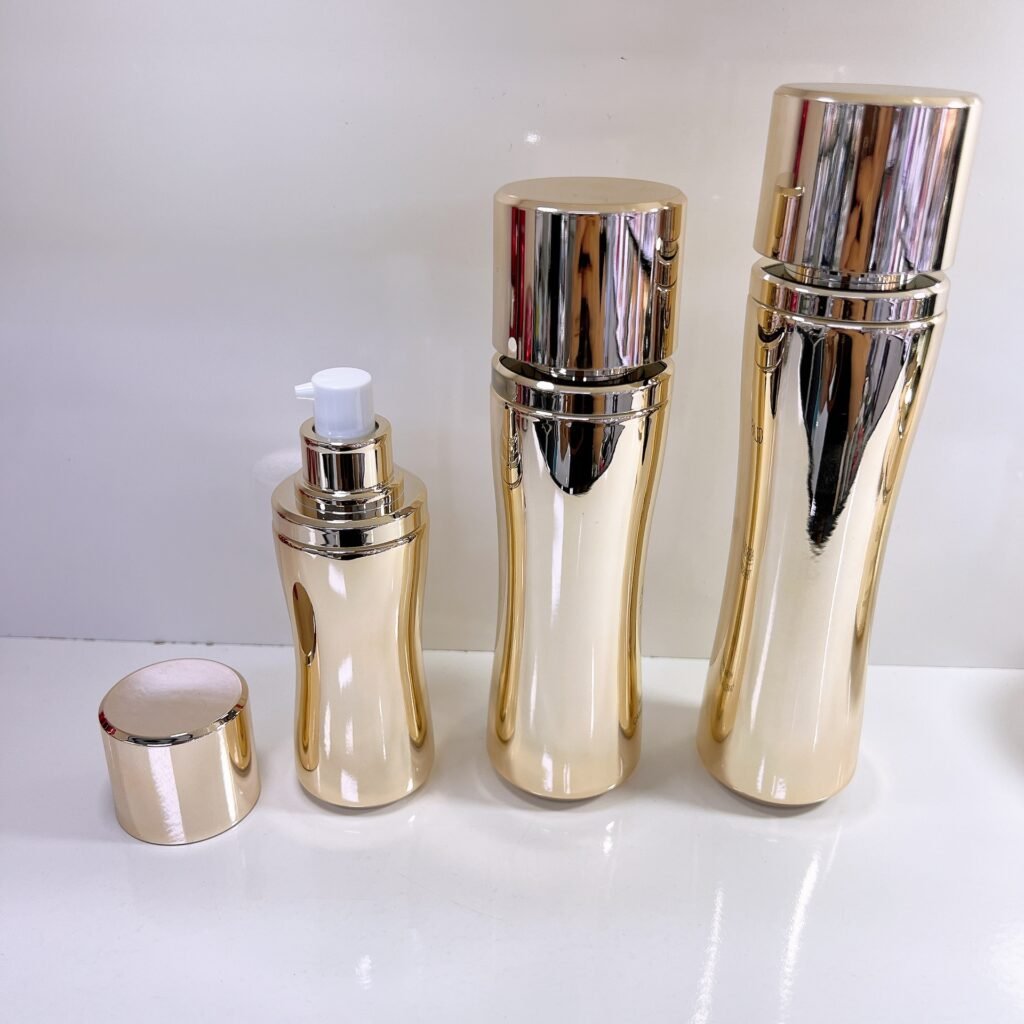
Travel-size packaging promises convenience, yet smaller formats leave less room for mistakes. A compact bottle still needs reliable dispensing, readable information and protection inside a bag or parcel. Test it in the conditions where it will actually be carried.
Control leakage
Look at the entire seal path: bottle neck, pump or spray, overcap and any gasket. Store filled samples upright, sideways and inverted where appropriate. Temperature changes and handling can reveal leaks that do not appear on a shelf. Travel suitability should be claimed only after relevant validation.
Keep the product usable
A miniature pump may deliver a different amount than its full-size counterpart. Check whether the user can hold the bottle, operate the dispenser and reach most of the fill. Tiny caps are easy to misplace, while overly stiff ones frustrate repeat use.
Make information readable
Limited label area makes hierarchy essential. Prioritize product identity and required text, then use outer packaging where needed. Confirm the type is legible at print size on the actual curved surface. Different sales markets may require different information.
Consider the full journey
A small bottle can move between a bathroom shelf, handbag and shipping carton. Evaluate scratches, cap security and secondary-pack fit across that journey.
One more check
Pack the sample in the carton or pouch the customer will receive. A compact container may still rattle or rub against nearby components. The goal is a package that remains usable and presentable after normal handling.
Travel size should feel like a considered version of the main product, with its own practical tests and artwork review.