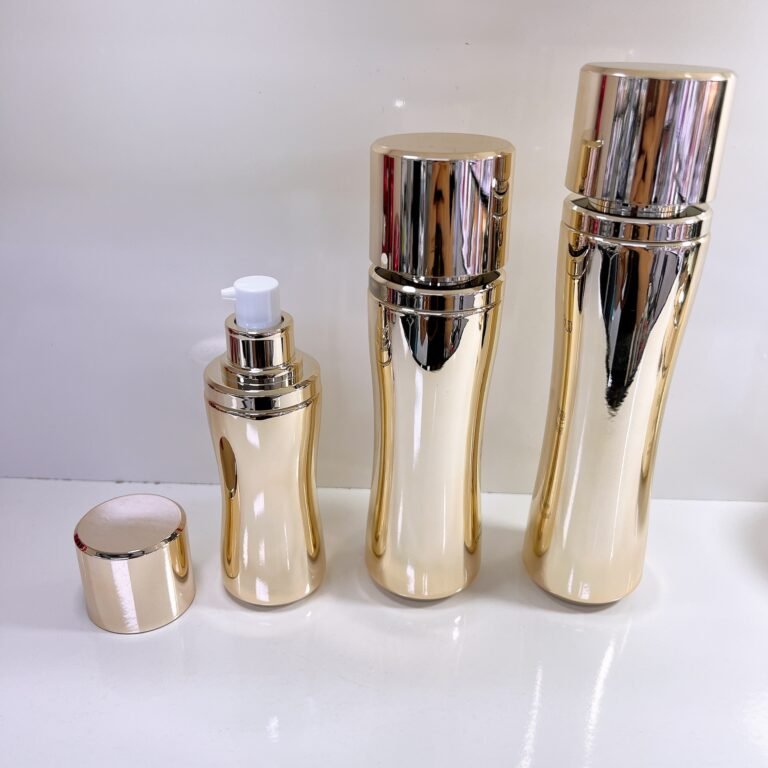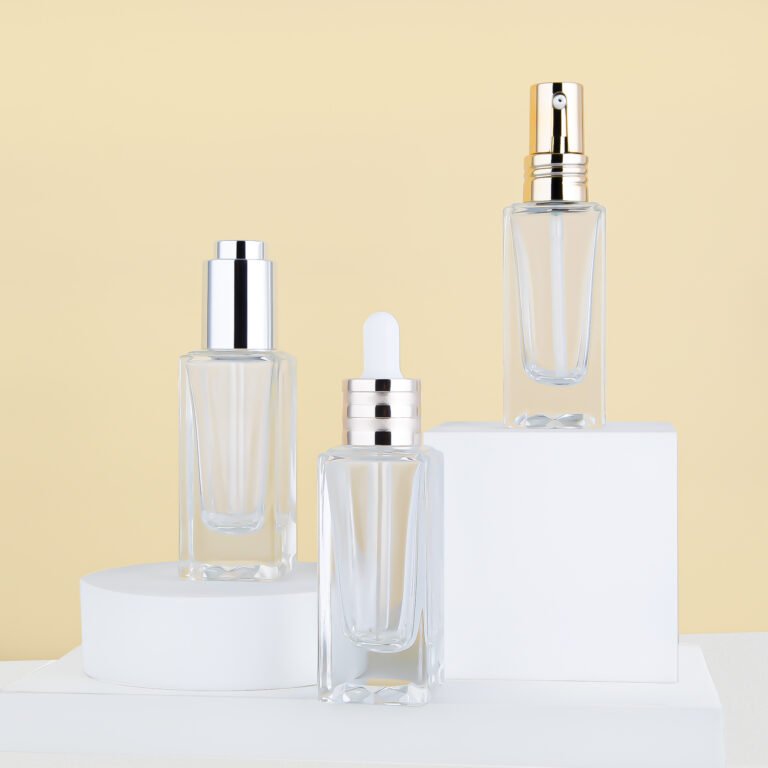
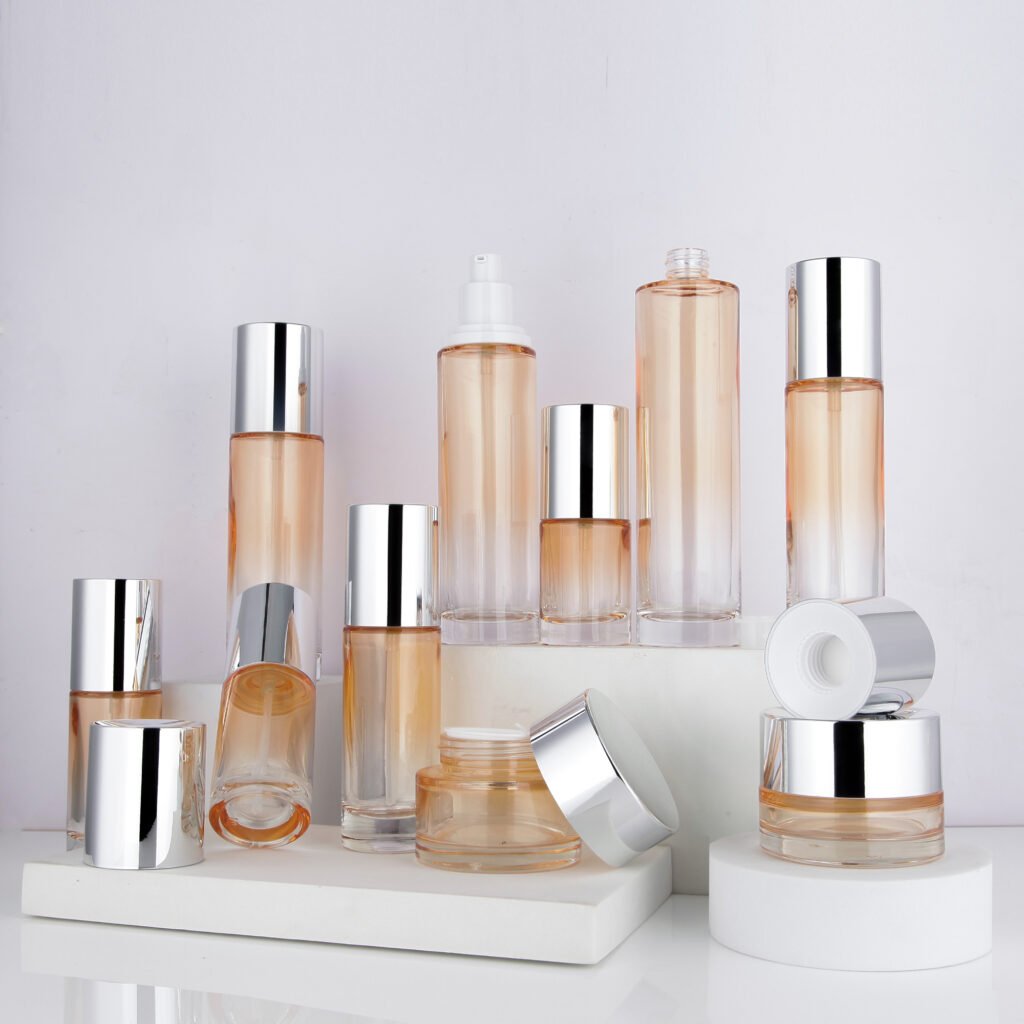
A bottle can look right in a mood board and still be awkward in daily use. The formula, dispensing method, target customer and shipping route all affect the packaging decision. Start with the product experience you want to create, then compare real samples rather than choosing from appearance alone.
Start with the formula
Consider viscosity, sensitivity to light and air, and how much product a customer uses each time. A thin toner may suit a narrow-neck bottle with a controlled opening, while a richer lotion may need a pump with a wider flow path. Check material compatibility with the actual formula, including fragrance oils and active ingredients, through appropriate testing.
Match the dispenser to the routine
A dropper offers deliberate, small doses; a pump supports one-handed use; a spray can distribute a low-viscosity liquid over a wider area. None is automatically better. Test the complete bottle and closure together for output consistency, residual product, clogging and ease of use with wet hands.
Think beyond the shelf
The filled pack needs room for labeling, a stable base and a closure that remains secure in transit. Ask for dimensions, neck finish and component specifications before finalizing artwork or cartons. Trial filling, storage and transport checks often reveal issues that a product photograph cannot show.
One more check
Before approval, request at least two complete options and compare them with the same formula, fill level and use routine. Record what changed between samples. This makes it easier to separate a genuine functional improvement from a finish or color preference.
Treat the first sample as a working prototype. A short, written evaluation of appearance, dispensing, handling and logistics will make the next selection faster and more defensible.