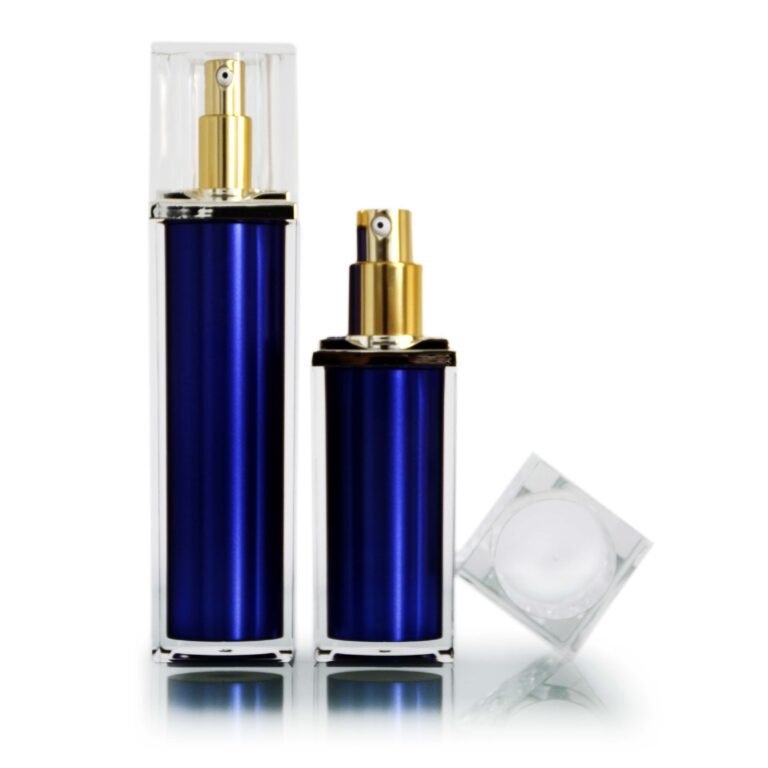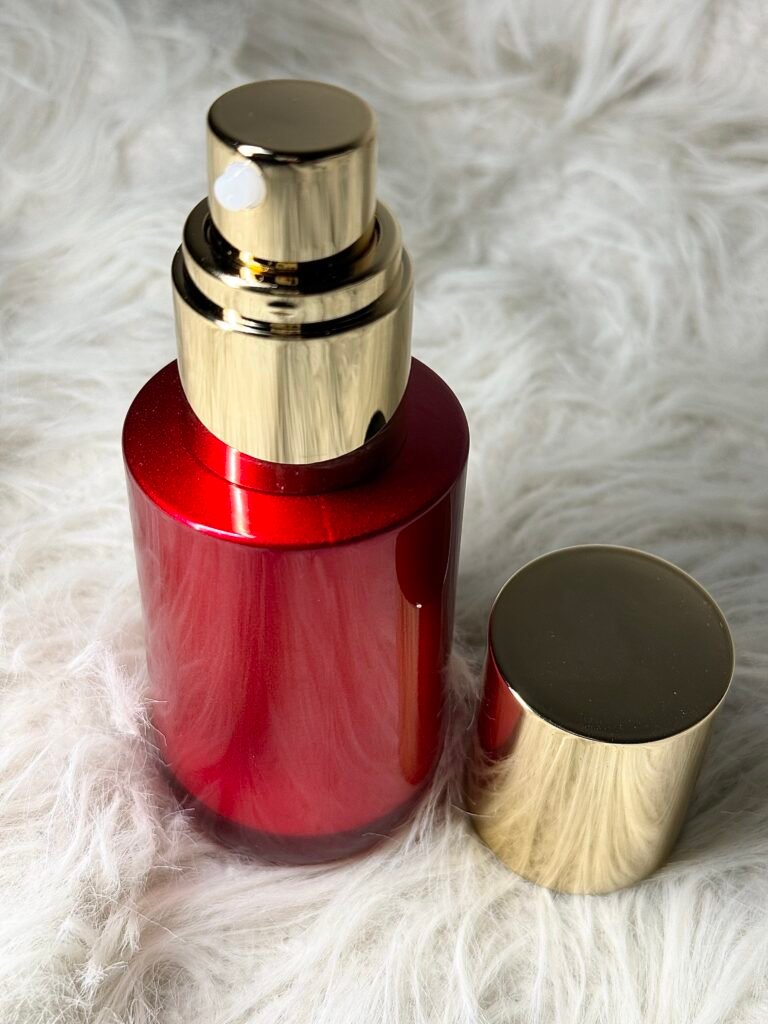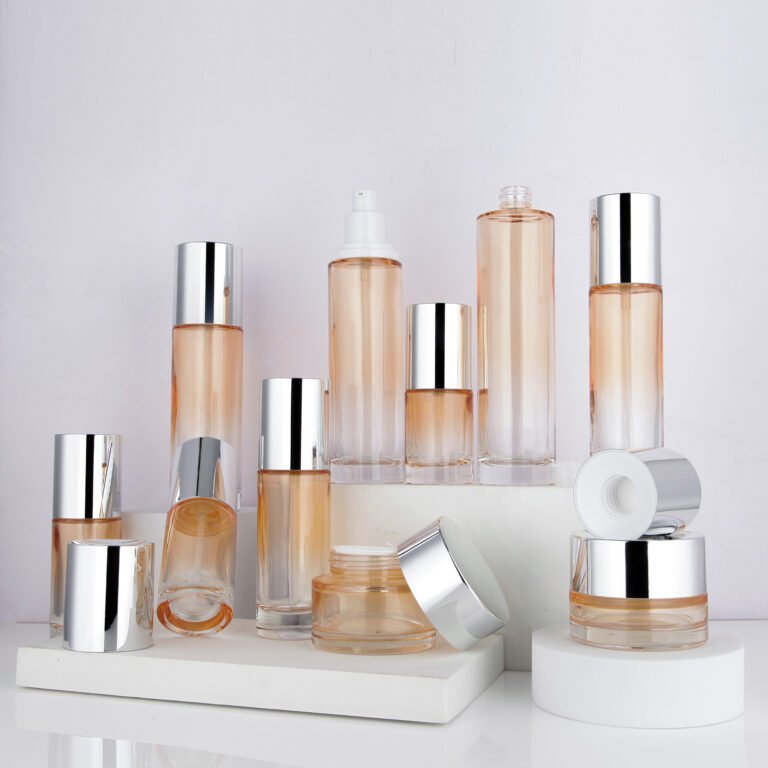
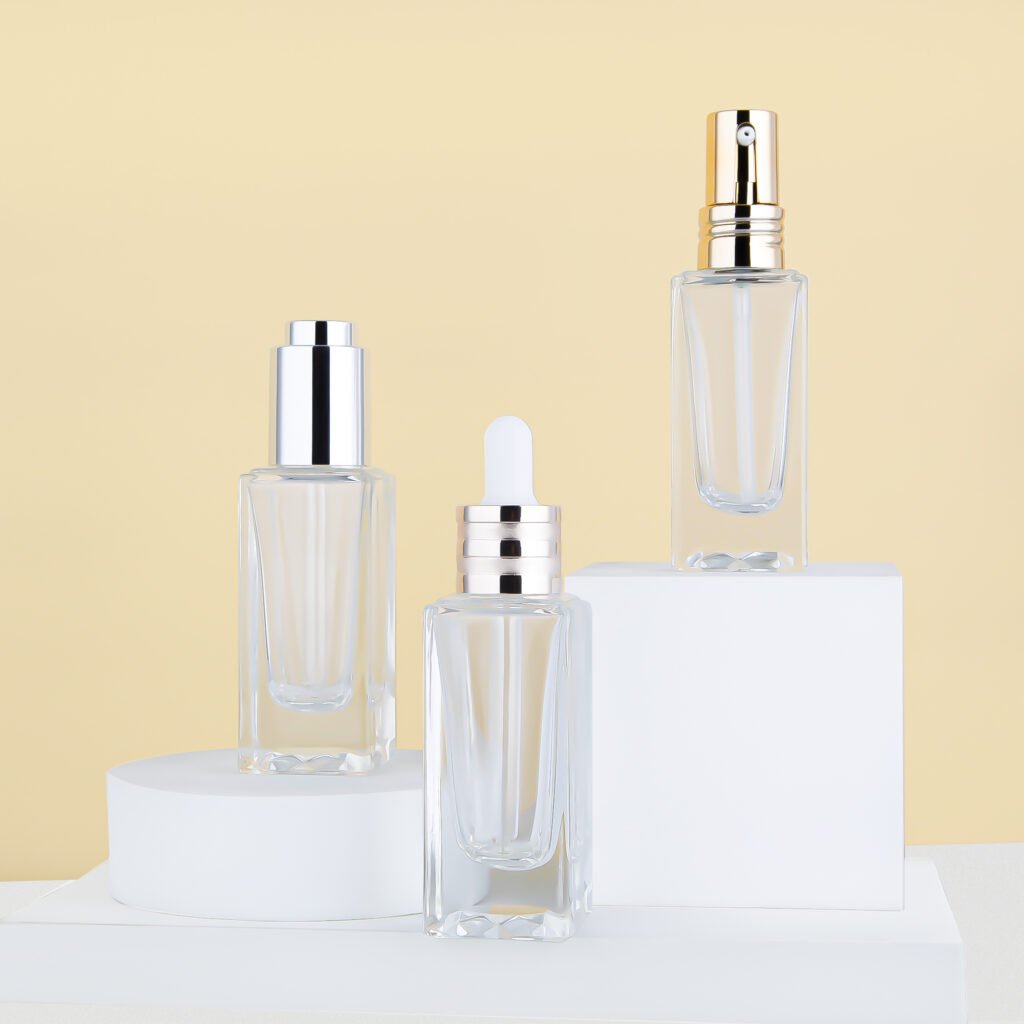
Glass and plastic can both make effective cosmetic packaging. The better choice depends on the formula, handling conditions, visual direction and distribution plan. Comparing them as complete systems, including closures and secondary packs, gives a clearer answer than comparing empty bottles alone.
Where glass can work well
Glass has a substantial feel and can present color, clarity and decoration in a distinctive way. It may appeal to products positioned around a considered daily ritual. Its weight and breakage risk matter, however, especially for ecommerce or travel. Protective inserts and drop testing should be part of the decision.
Where plastic can help
Plastic offers a wide range of shapes and weights and may reduce transport weight. Different resins have different appearance, barrier behavior and compatibility. The resin name alone does not establish whether a package will work with a specific formula. Request material details and test the filled product under realistic storage conditions.
Evaluate the complete pack
A glass bottle with a plastic pump is still a multi-material pack. Likewise, a lightweight plastic bottle can require a complex dispenser or decorative sleeve. Consider separation, local recycling routes, refill plans and total shipping protection rather than making an environmental claim from the bottle material alone.
تحقق آخر
Ask for the precise material and component specifications for each option. If environmental impact is part of the decision, compare evidence for the complete pack and the markets where it will be sold. General claims about either material are rarely useful without that context.
Choose on the basis of tested performance and the intended customer experience. Keep a comparison sheet for weight, cost, decoration, breakage, compatibility and end-of-life information.