A good packaging brief saves rounds of unsuitable samples. It tells a supplier what the product must do, how it should feel and which details are still open for exploration. The first version does not need to be perfect, but it should be specific.
Describe the product
Include formula type, approximate viscosity, intended fill volume, use frequency and any known sensitivity to light or air. Share the markets where the product will be sold so labeling and testing questions can be raised early. Avoid replacing technical data with only a mood board.
Define the experience
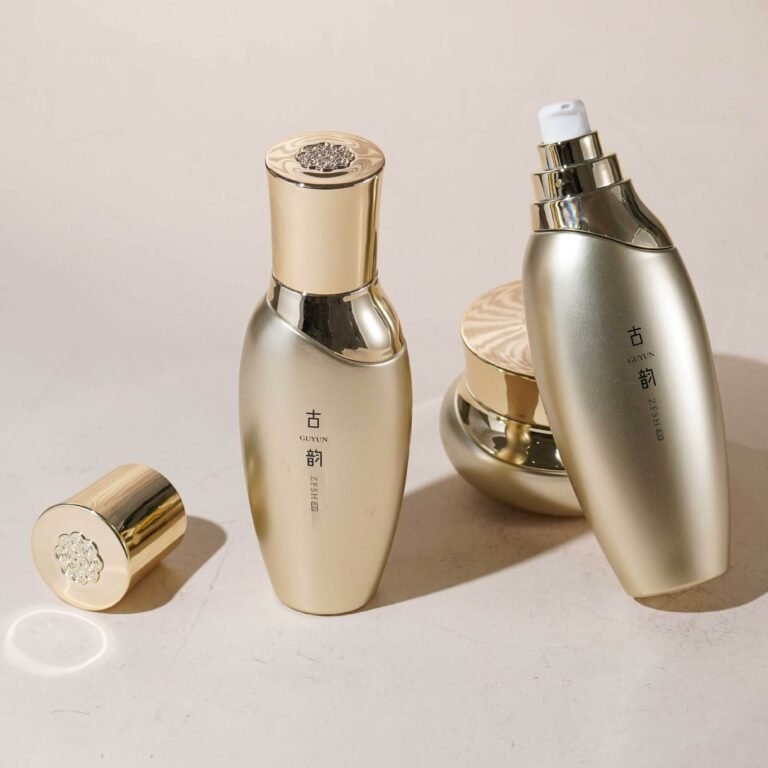
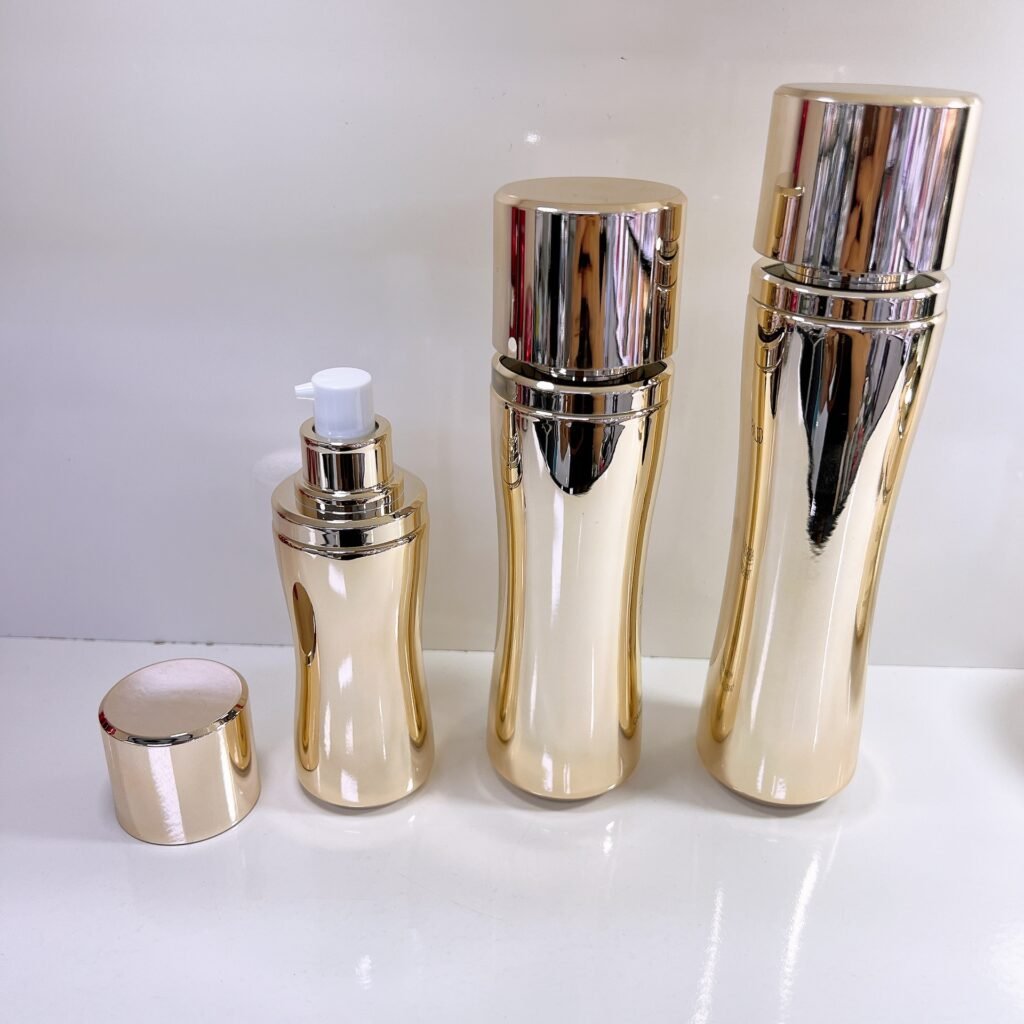
Explain how the customer should dispense and hold the product. Include visual references for shape, color, finish and closure style, with notes on what matters in each reference. State whether matching sizes or a coordinated product family are needed.
List practical constraints
Mention target dimensions, shipping method, filling line considerations, preferred materials, decoration needs and timeline. If cost targets or order quantities are provisional, label them as estimates. Request alternatives where trade-offs are possible.
Specify the next decision
Ask for available component options, drawings, samples and testing recommendations. Name the person who will approve the physical sample and the criteria they will use.
One more check
An effective brief also states what can change. Separate essential requirements from preferences and open questions. That gives the supplier room to propose a better component without losing the core product experience.
A clear brief helps suppliers propose relevant options and gives your team a consistent basis for comparing them.