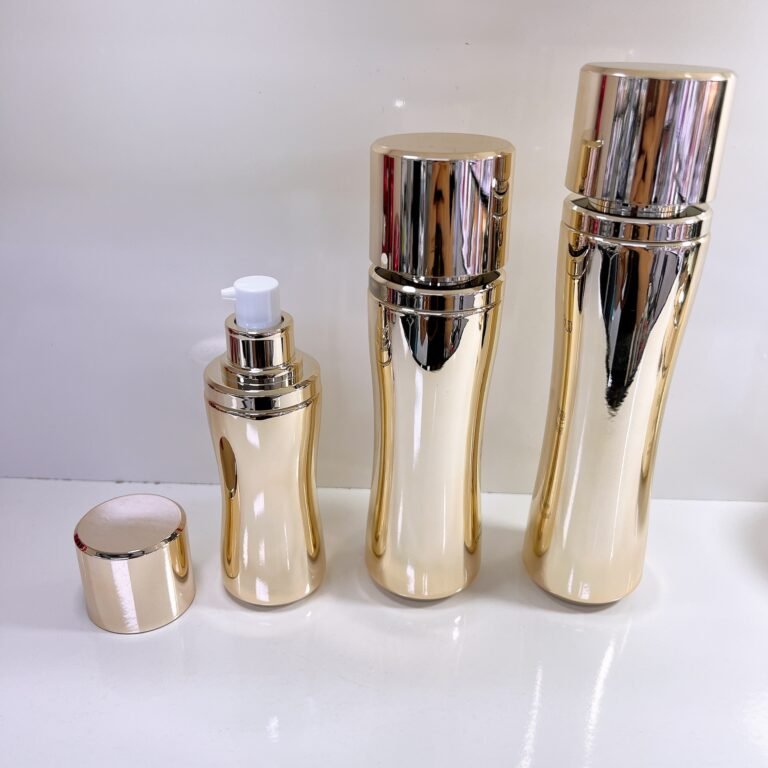
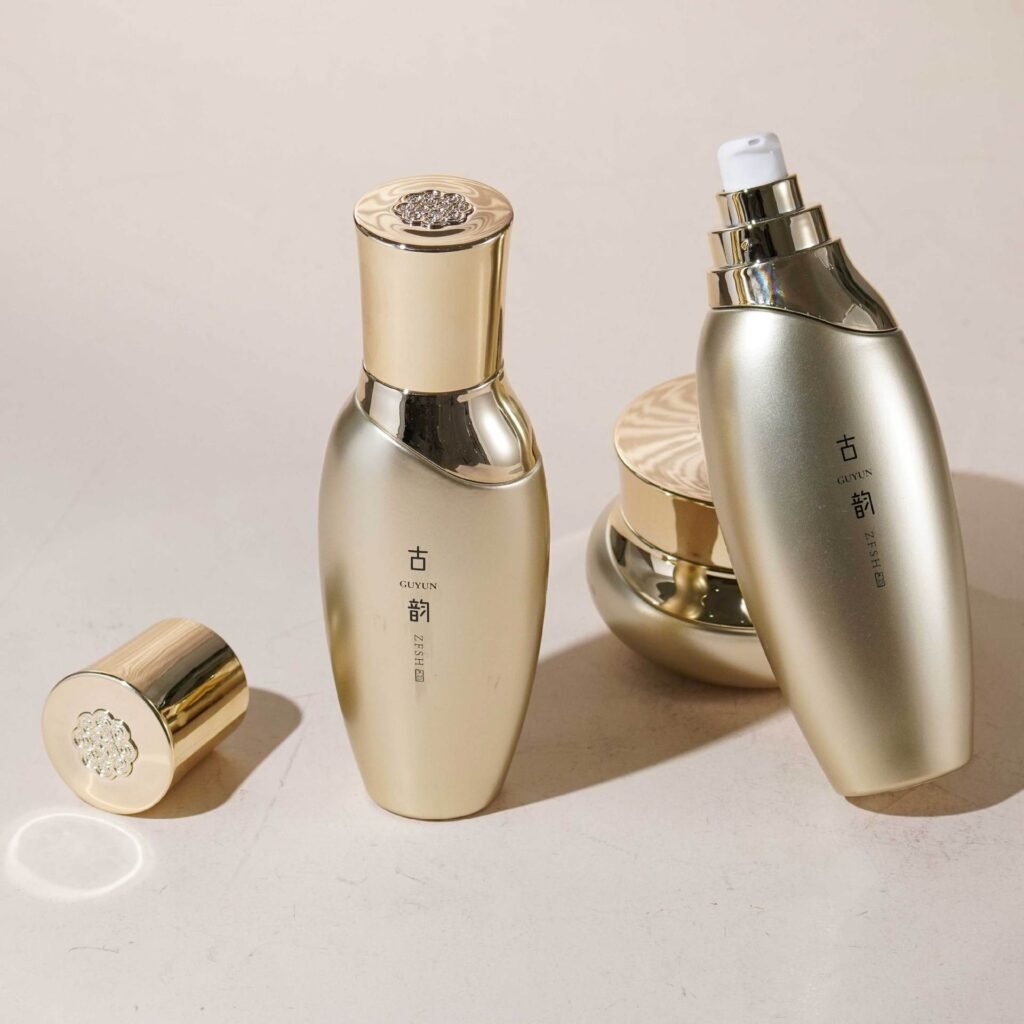
Packaging samples help a team move from attractive images to practical decisions. A useful review looks at both the empty component and the filled, assembled package. Write down the results so later changes are intentional.
Inspect appearance
Check shape, dimensions, finish, color and visible defects under consistent lighting. Compare multiple units rather than judging a single perfect sample. Photograph the package from front, side and top, with a scale reference, so the team can discuss the same details.
Test the interaction
Open and close the cap repeatedly. Prime and operate the dispenser. Note dose, spray pattern, grip, stability and residual product. Include people who did not choose the packaging; they may notice confusing or awkward interactions immediately.
Use the real formula
A water-filled sample cannot fully predict performance with a serum, lotion or oil. Conduct compatibility and stability work using the final formulation and the complete pack. Check storage orientation and temperature conditions relevant to the intended supply chain.
Document the decision
Record component codes, materials, neck specifications, decoration method and agreed reference sample. If the supplier changes a component, identify which tests need to be repeated.
One more check
Save one approved sample and a dated evaluation sheet as the reference. When future deliveries arrive, the team can compare color, fit and operation against something concrete instead of relying on memory.
A short repeatable checklist turns sampling into evidence. It also makes supplier discussions clearer when a problem appears later.